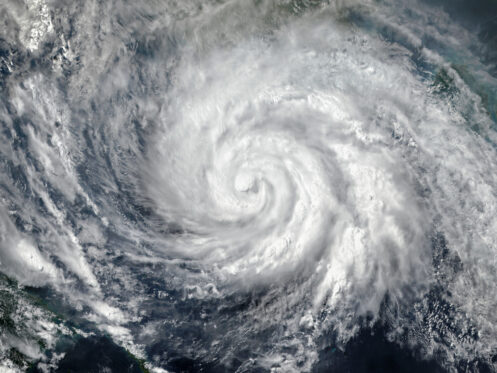
Florida experiences some very nasty weather during hurricane season, which poses a risk to your air conditioning system. More specifically, your outdoor condenser unit can be damaged by flooding and flying debris. Understanding some proactive steps you can take will help you protect your air conditioning system throughout the next storm season.
Before the Storm: Securing the Outdoor Unit
Before hurricane season, taking proactive steps can help protect your air conditioner from hurricane weather. Start by ensuring that your unit is properly mounted on a secure pad and has AC hurricane straps attached to it. This helps keep your condenser unit in place during high wind conditions. Remove any loose outdoor furniture, yard decorations, debris, or broken branches that can become airborne and strike your unit. Trimming nearby trees and shrubs reduces the risk of impact.
Should You Turn Off Your AC During a Hurricane?
Yes, it’s generally recommended that you turn your air conditioning system off during a hurricane. A hurricane can create power fluctuations, power outages, lightning strikes, and flying debris that can damage your outdoor unit or its sensitive electrical components. Shutting your system down just before a storm arrives helps reduce the risk of electrical damage and protects your equipment from turning on during unstable power conditions.
If possible, you should turn your system off at both your thermostat and the circuit breaker before the storm hits. Once the hurricane passes and the power has been fully restored, wait a couple of minutes before restarting your system. Then, take the time to inspect your outdoor unit for any damage, such as flooding, flying debris, or anything unusual, before turning the system back on.
Surge Protection & Unplugging: Guarding the Electronics
Surge protectors play a critical role in protecting your AC unit during hurricane season. Utility grid fluctuations, power restoration events, and lightning strikes can all create damaging voltage spikes that can affect your AC’s capacitor, control board, compressor, and other components. Installing both a whole-home surge protection device alongside an HVAC-specific surge protector provides two layers of defense against electrical threats.
A common question many customers have is whether to turn off their AC during a hurricane if they have a surge protector. The short answer is yes, you should still shut your AC unit off. It’s a sensitive electronic device that’s prone to being damaged during power surges and unstable electrical service. Shutting it off eliminates the risk of suffering preventable damage.
Running Your AC on a Generator: What’s Safe & What’s Not
Running your AC on a generator can be completely safe to do as long as your generator is appropriately sized for your electrical demands. Home air conditioning systems require a large amount of energy to start up and run. Many portable generators lack the capacity to handle the larger startup loads. This can cause your generator to overload and your AC system to malfunction.
Choosing a whole-home standby generator that’s designed to support critical systems like your HVAC system is essential. Before attempting to run your AC on a generator, verify your generator’s capacity and ensure it’s properly installed.
During the Storm: When to Shut Everything Down
When a hurricane hits, your priority should be safety rather than operating household equipment. If you haven’t already done so, turn off your home air conditioning system at the thermostat. If possible, shut the system off at the circuit breaker to ensure that no power can come through the line.
This protects your equipment from lightning strikes, unstable electrical conditions, and power surges alike. You should avoid operating or inspecting your HVAC equipment until the storm is over. Flooding, flying debris, and power fluctuations can all create hazardous conditions and increase the risk of equipment damage.
After the Storm: Inspect Before You Restart
After a hurricane is over, inspect your air conditioning system before powering your AC on after a power outage. Start by checking your outdoor unit, looking for any fallen branches, debris, damaged panels, or other signs of impact damage. If you spot an issue, don’t turn on your system until it’s properly evaluated by an HVAC technician. The same thing holds true if your unit was exposed to standing or flood water.
Once the area is clear, verify that all of your electrical connections appear intact and that there’s no visible damage to your disconnect box or wiring. Wait until the power is fully restored and stabilized, and give it a couple more minutes before turning on your AC after a power outage. Power surges are common immediately following power restoration. If you turn your unit on too soon, it may be susceptible to voltage spikes.
When to Call a Pro vs. Restart It Yourself
As a homeowner, you can perform a basic visual inspection of your AC system. Ensure that your AC hurricane straps are still intact and there’s no damage to your unit. If you see any obvious physical damage or your unit is sitting in standing water, call a professional to have it inspected before powering up the unit.
Protect Your AC During & After Storms With Graham Heating & Air Conditioning
Protecting your AC unit during a hurricane all starts with proper preparation. Taking the time to install AC hurricane straps and tie down any loose debris in your yard can minimize damage to your outdoor condenser unit. Additionally, installing a whole-home surge protection device can take it one step further by protecting the sensitive electronics of your AC unit.
At Graham Heating & Air Conditioning, we are here to help with all of your HVAC service needs, from routine services to providing guidance during hurricane season. Our club membership program is a great way to stay on top of routine AC maintenance and ensure your system is prepared for Florida’s hurricane season and long cooling season.
Contact Graham Heating & Air Conditioning for an HVAC inspection after a hurricane in Tampa, Florida.
Frequently Asked Questions
Whether to protect your AC from a hurricane or turn off your AC during a hurricane, we get a lot of questions. Below, we’ll answer some of the most common questions we receive about residential air conditioners and extreme weather events.