Living near the coast in Tampa, FL, comes with a ton of benefits, but it also brings along some challenges for your home’s cooling system. Salt air, high humidity, and constant exposure to coastal conditions negatively affect your air conditioner’s performance. While these factors are not immediately apparent, they will gradually reduce efficiency and lead to more frequent repairs. Understanding how coastal conditions impact your cooling system can help you protect your investment and maintain reliable cooling.
How Salt Air Impacts Your AC System
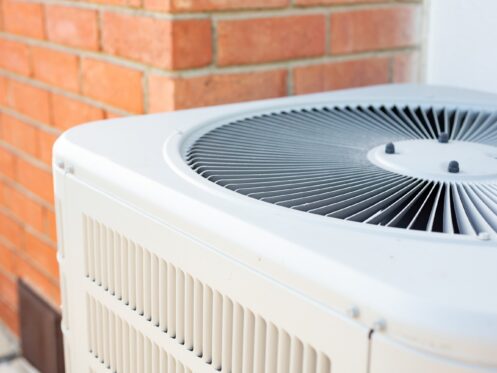
Salt in the air may seem harmless, but it can have a detrimental effect on your outdoor air conditioning unit. When salt particles settle on metal components, they begin to accelerate corrosion. This corrosion can affect key parts of your air conditioner, including coils and fasteners. As these components break down, your system loses its ability to transfer heat effectively. This makes it harder for your AC to cool your home. Over time, salt-related corrosion can lead to costly repairs or even premature system failure if left unaddressed.
The Role of Humidity in System Performance
Tampa’s humidity adds another layer of strain to your system. Your air conditioner does more than cool the air. It also removes moisture to maintain indoor comfort. High humidity forces your system to work harder, which speeds up wear on components. Additionally, when humidity is high, your home often feels warmer than the thermostat setting indicates. To compensate, you may turn down the thermostat. This leads to longer run times and higher energy use.
Coastal Debris and Airflow Issues
Coastal environments tend to have windier weather, which blows around sand and dirt. This debris can collect inside your outdoor condenser and restrict airflow. When airflow becomes limited, your system struggles to release heat. This causes the AC to run longer and operate less efficiently. Blocked airflow also increases the risk of overheating, which damages internal components and leads to breakdowns.
How Corrosion Affects Key Components
Corrosion will not just affect the outer parts of your system. It can also impact internal electrical connections and mechanical components. As the corrosion spreads, it can weaken wiring, reduce conductivity, and interfere with how parts function. This tends to lead to inconsistent performance or unexpected failures.
Signs Coastal Conditions Are Affecting Your AC
Your system may show several warning signs when coastal conditions start to take a toll. You might start to notice reduced cooling performance or longer run times during periods of high heat. Higher energy bills are also an indication of declining efficiency. Visible rust or corrosion on the outdoor unit is another clear sign. Unusual noises or frequent repairs may suggest that components are wearing down faster than expected. Recognizing these signs early can help you take action before the damage becomes more serious.
Why Regular Maintenance Matters in Coastal Areas
Routine maintenance is especially important in coastal environments. Regular inspections allow our team to identify corrosion, clean components, and ensure proper airflow. Cleaning the coils and electrical connections in the outdoor unit helps remove salt buildup and debris that can affect performance. Your HVAC technician will also lubricate moving parts and make recommendations on parts that need to be replaced. Annual maintenance helps keep your AC running efficiently despite the challenging conditions.
Protect Your AC from Coastal Wear
Tampa’s coastal climate can take a toll on your cooling system, but proactive care can make a significant difference. At Graham Heating & Air Conditioning, we’ve been maintaining central air conditioners for almost five decades. We can also help with all your repair and replacement needs.
Contact us today to make an appointment with one of our experienced technicians.